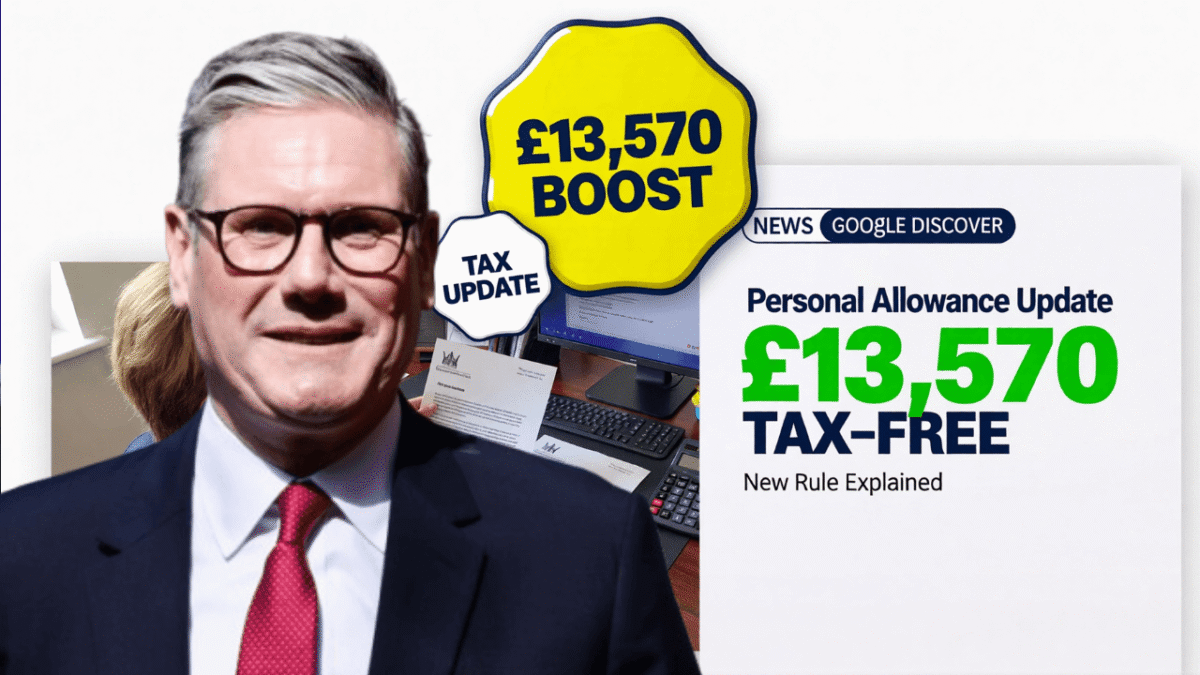
Big changes are coming for UK taxpayers as HMRC officially announces an increase in the tax-free Personal Allowance to £13,570. This move offers much-needed financial relief in an era of escalating living costs, directly putting more money back into people’s pockets. Whether you’re a salaried employee, pensioner, or self-employed freelancer, understanding this update is crucial for optimizing your finances.
This adjustment builds on the core principle of the UK’s tax system: protecting a portion of your income from taxation. It could mean hundreds of pounds in annual savings, depending on your earnings. Let’s dive into the details, explore who stands to gain the most, and outline actionable steps to make the most of this opportunity.



What is the Tax-Free Personal Allowance?
The Personal Allowance represents the amount of income you can earn each tax year without paying income tax. Set annually by HMRC, it applies to a wide range of income sources, including salaries, pensions, and certain freelance earnings.
Currently, income up to the allowance threshold remains completely tax-free. Only earnings exceeding this limit enter the taxable brackets, starting at the basic rate of 20%.
- Tax-free up to the full allowance amount
- Progressive taxation on income above the threshold
- Universal benefit for most UK residents over 16
This system promotes equity by shielding basic living expenses from tax burdens, especially vital during economic uncertainty.
Historical Evolution and the Push to £13,570
Over decades, the Personal Allowance has been incrementally raised to keep pace with inflation and wage growth. Recent fiscal policies have accelerated these uplifts to counter post-pandemic pressures and energy crises.
The confirmed rise to £13,570 reflects government commitments outlined in budget statements. It signals a proactive stance on household support without resorting to wholesale tax reductions.
Tax years typically run from April 6 to April 5, so expect this to roll out in the upcoming cycle, potentially impacting 2026 filings.
Why Now? Economic Drivers Behind the Decision
Governments adjust allowances amid rising costs for food, housing, and utilities. This increase aims to ease immediate strains on family budgets.
By expanding the tax-free zone, it encourages consumer spending, which in turn supports businesses and job markets.
How the £13,570 Allowance Impacts Your Finances
Elevating the tax-free Personal Allowance to £13,570 effectively lowers your taxable income base. For someone earning exactly this amount, it could eliminate income tax entirely.
Higher earners benefit too, as more of their lower income tier shifts into the non-taxable category. This subtle shift can yield noticeable monthly gains.
- £13,570 fully tax-free annually
- Reduced entry into 20% basic rate band
- Potential savings of £200–£500+ per year
Consider a worker on £15,000: post-adjustment, only £1,430 becomes taxable at 20%, saving around £286 compared to prior limits.
Real-World Take-Home Pay Boost
Monthly, this translates to an extra £20–£40 in your bank account for many. Over a year, it accumulates into meaningful funds for emergencies or investments.
Self-employed individuals see parallel effects via adjusted Self Assessment calculations, improving cash flow for operations.
Who Gains the Most from This HMRC Update?
Low-income households, often scraping by on modest wages, receive the biggest proportional lift. Many could drop to zero tax liability, freeing resources for essentials.
Pensioners with state or private pensions under the new threshold enjoy untaxed retirement income, enhancing quality of life.
- Zero tax for earners ≤ £13,570
- Extra security for pension-dependent retirees
- Business flexibility for sole traders
Middle-income families (£20,000–£50,000) see layered benefits, combining with allowances like Marriage Allowance for couples.
Special Impacts on Pensioners and Freelancers
For pensioners, this means more disposable income for healthcare or hobbies without HMRC deductions. Freelancers benefit from lower provisional tax payments, aiding reinvestment.
Even part-time workers or gig economy participants qualify, broadening the relief net.
Navigating Tax Bands After the Change
Post-increase, the structure remains: basic rate (20%) from £13,571 to £50,270, higher (40%) beyond. Your progression into bands starts higher, maximizing low-rate exposure.
Use HMRC’s online tools or apps to simulate your scenario accurately. Always cross-check with your P60 or tax code.
Common Pitfalls and Myths to Avoid
Not all income counts equally—some benefits or savings may adjust thresholds. Ignore viral claims of “tax-free everything”; stick to official guidance.
Changes aren’t retroactive; plan for forward tax years.
Steps to Maximize Your Benefits
Start by reviewing your tax code, typically 1257L for standard cases. Contact your employer or HMRC if outdated.
For self-employed, update Self Assessment projections promptly to reflect the new allowance.
- Check payslips for correct code application
- Utilize HMRC’s Personal Allowance calculator
- Combine with ISAs or pension contributions for extra relief
Proactive monitoring via the HMRC app ensures seamless adjustments, avoiding underpayment surprises.
Broader Financial Strategies
Pair this windfall with budgeting apps to track savings. Build an emergency fund covering 3–6 months’ expenses.
Explore related reliefs like Child Benefit adjustments or fuel allowances for comprehensive planning.
Long-Term Economic and Personal Implications
Individually, consistent savings compound into retirement nests or debt reductions. Nationally, boosted spending drives growth while maintaining fiscal prudence.
However, revenue dips may prompt future tweaks—stay informed through GOV.UK alerts.
In conclusion, HMRC’s plan to raise the tax-free Personal Allowance to £13,570 delivers real, tangible support across income levels. By grasping its mechanics, targeting your group-specific perks, and taking swift action, you’ll secure more financial breathing room. This isn’t just policy—it’s empowerment. Keep an eye on official updates, refine your tax strategy, and watch your wealth grow steadily.