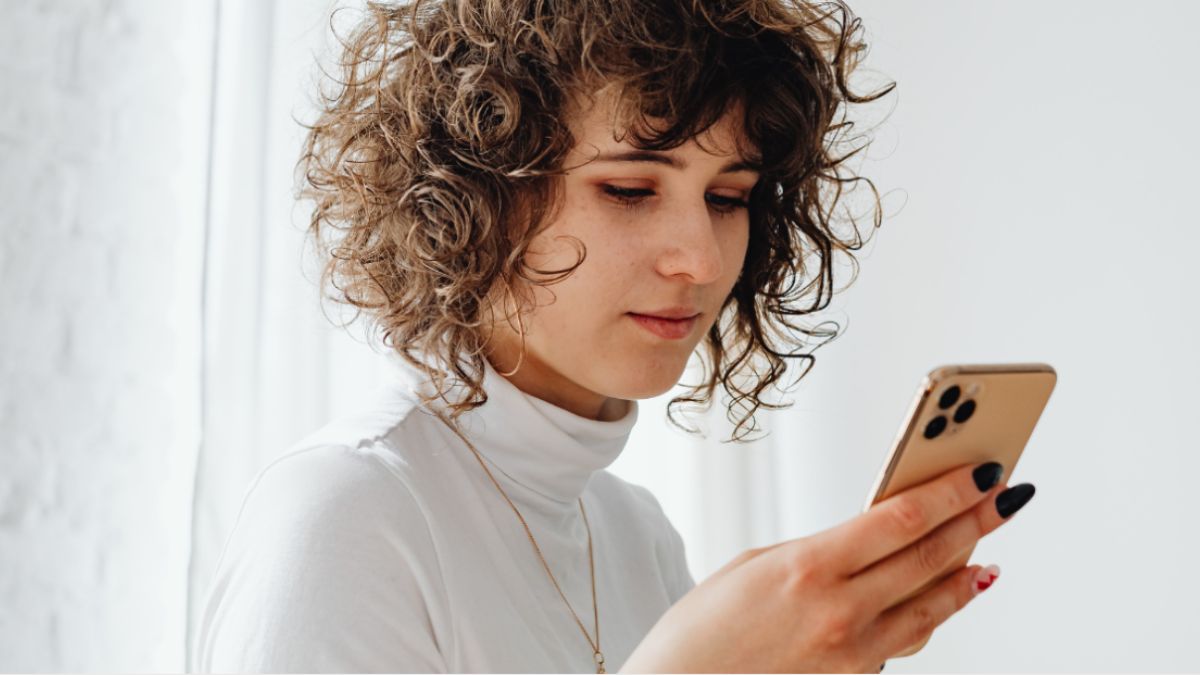
Picture yourself endlessly scrolling through your social media feed, soaking up trends, news, and opinions without ever hitting “post” or “like.” Far from being disengaged, this behavior—known as lurking—represents a calculated strategy rooted in psychology. Social media lurkers sidestep the exhausting performative dance that plagues daily posters, gaining valuable insights while safeguarding their mental energy in an always-on digital world.
The Silent Majority: Who Are Social Media Lurkers?
Did you know that roughly 90% of social media users are lurkers? Studies from institutions like Northeastern University confirm this staggering figure, showing most people consume content without any visible interaction. These individuals quietly drive platform algorithms by viewing posts, yet they remain invisible to the casual observer.


Lurkers aren’t avoiding connection; they’re selectively engaging on their terms. This group includes professionals scanning LinkedIn for industry news, parents checking family updates discreetly, or hobbyists gathering tips without fanfare. Their presence underscores a key truth: social platforms thrive on hidden consumption.
- 90% statistic: Highlights the dominance of non-posters.
- Invisible influence: Lurkers shape trends through views alone.
- Practical appeal: Access knowledge without social obligations.
By choosing observation over participation, lurkers reclaim control in a space designed for constant output. This deliberate opt-out challenges the narrative that activity equals value.
The Psychology of Performance on Social Media
Sociologist Erving Goffman’s theory of impression management frames social media as a grand theater. Every post is a scripted performance, carefully edited to project success, happiness, or expertise to an unseen audience. Daily posters invest heavily in this act, curating flawless images at a cognitive cost.
Why Constant Posting Drains Your Energy
Creating content demands relentless editing, timing, and anticipation of reactions. Research applying Goffman’s ideas reveals how this process spikes stress hormones and fosters self-doubt. One poorly received post can spiral into days of rumination, eroding focus and joy.
Platforms amplify this by rewarding engagement metrics over genuine exchange. Posters become slaves to likes and comments, trapping them in a validation loop. Lurkers, however, enjoy the show from the shadows, free from judgment.
This dynamic explains why many feel compelled to post daily—it’s less about sharing and more about combating the discomfort of digital silence. Yet, lurking flips the script, turning feeds into personal intelligence networks.
Debunking Myths About Passive Social Media Use
Not all lurking is created equal, and labeling it “passive” misses the nuance. Some research, like a University of Texas study, links mindless scrolling to social comparison, FOMO, and mood dips—especially during late-night binges. But this paints with too broad a brush.
A recent Frontiers in Psychology analysis differentiates harmful habits from strategic ones. Intentional lurkers pursue specific goals: staying informed, networking indirectly, or avoiding drama. They treat platforms as tools, not emotional battlegrounds.
- Risky lurking: Compulsive viewing that fuels envy.
- Strategic lurking: Purposeful info extraction.
- Key outcomes: Lower anxiety, enhanced privacy, sustained productivity.
By reframing lurking as active choice, we see its empowerment. It’s not retreat; it’s optimization in an oversharing era.
Real-Life Benefits: My Journey as a Social Media Lurker
Years ago, I quit posting amid burnout from crafting perfect updates on Twitter and Slack. The relief was immediate—my feed transformed from a pressure cooker into a serene stream of ideas. I stayed ahead on trends by following experts, without the drag of self-promotion.
Productivity soared as I redirected energy from metrics to meaningful work like writing and reflection. Notes from lurked content sparked private insights, fueling creativity offline. This shift proved lurking’s power for personal growth.
Others report similar wins: deeper focus, reduced FOMO, and authentic connections formed beyond screens. In professional circles, silent observers often emerge as the most insightful voices when they do speak.
Science Validates the Lurking Advantage
Empirical evidence supports this approach. A JAMA Network Open study found that reducing social media use cut anxiety by 16% and depression by 24% within weeks. Lurking achieves comparable benefits while maintaining utility—no full detox required.
Neuroimaging research shows active posting activates reward centers akin to gambling, leading to addiction-like patterns. Passive consumption, when mindful, avoids this hook, preserving dopamine for real-life pursuits.
Experts like data scientists note lurkers’ edge in pattern recognition. By observing without bias from their own posts, they gain clearer views of cultural shifts and opportunities.
Practical Tips to Lurk Effectively and Boost Digital Wellness
Adopt lurking as a superpower with simple tweaks. Curate feeds ruthlessly: follow value-driven accounts in news, careers, or hobbies, and mute the rest. Tools like timers cap sessions at 20 minutes, preventing drift into negativity.
Building Healthy Habits
Journal post-scroll: Did you gain insights? Feel energized? Adjust accordingly. Experiment with a no-post week to measure mental clarity gains.
- Energy conservation: Skip curation fatigue.
- Privacy shield: Stay under the radar.
- Efficiency hack: Direct info flow, zero distractions.
This method rebels against algorithm-fueled noise, prioritizing well-being. In a world obsessed with visibility, intentional silence is revolutionary.
In summary, social media lurkers embody psychological savvy, opting for information riches without performance poverty. Backed by stats, theory, and personal proof, this choice fosters digital wellness amid chaos. Ditch the daily post grind—embrace lurking today for a lighter, sharper mind tomorrow. Your feed awaits as a quiet ally.