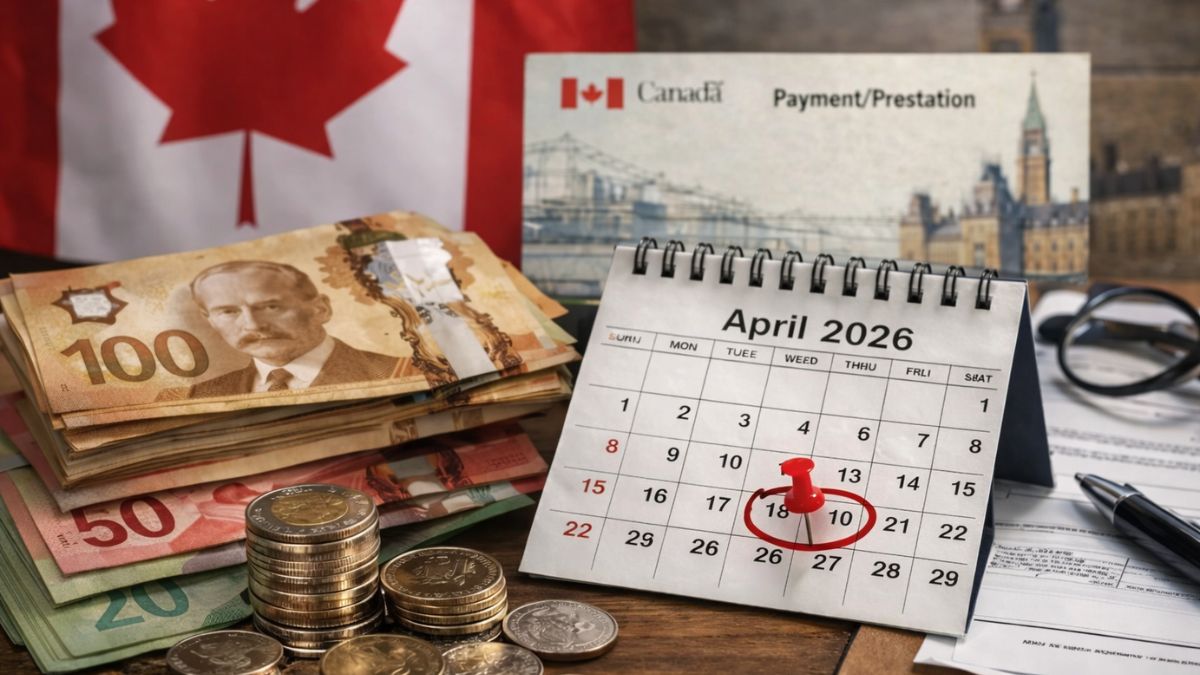
In today’s challenging economic landscape, where living costs keep climbing, the GST/HST credit stands out as a vital lifeline for millions of Canadians. Scheduled for April 2026, this payment—up to $533—helps low- and modest-income households offset everyday consumption taxes. This tax-free federal benefit directly boosts purchasing power, making it essential for families to grasp its details.
Understanding how the GST/HST credit works, who qualifies, and the steps to receive it ensures you don’t miss out. Managed by the Canada Revenue Agency (CRA), it’s automatically calculated from your tax return, promoting fairness and efficiency.


What is the GST/HST Credit and Why is it Essential?
The GST/HST credit is a government program designed to ease the tax burden on lower-income Canadians. It refunds a portion of the Goods and Services Tax (GST) and Harmonized Sales Tax (HST) paid on everyday items like groceries, fuel, and household goods.
This non-taxable payment provides immediate financial relief. Unlike other benefits, it’s straightforward and targeted, helping recipients maintain their standard of living amid rising prices.
- Supports essential purchases such as food and transportation.
- Automatically issued quarterly to eligible filers.
- Administered efficiently by the CRA for equitable distribution.
In an era of inflation, this credit plays a crucial role in financial stability. It ensures that taxes on necessities don’t disproportionately affect vulnerable households.
How is the $533 GST/HST Credit Amount Determined?
The maximum $533 payment in April 2026 isn’t fixed for everyone—it depends on key factors tailored to your circumstances. This personalized approach maximizes support where it’s needed most.
Net Family Income Levels
Lower incomes receive higher amounts, with a gradual phase-out beyond specific thresholds. This structure rewards those facing the greatest economic pressures.
Family Status
Your household composition influences the payout significantly.
- Single individuals qualify based on personal income.
- Couples receive combined assessments.
- Children under 19 boost the total substantially.
Number of Eligible Children
Each qualifying child adds to the credit, recognizing larger families’ higher costs. This makes the program family-friendly and inclusive.
Provincial or Territorial Variations
HST-implementing provinces may see slight adjustments. Always check CRA guidelines for your region to get accurate estimates.
These calculations ensure the GST/HST credit adapts to diverse Canadian realities, promoting broader economic equity.
April 2026 Payment Schedule and Timelines
GST/HST credits arrive quarterly, aligning with fiscal planning. The April 2026 installment follows the standard cycle: January, April, July, and October.
Expect issuance around early April, though government announcements could shift dates slightly. Staying informed prevents surprises.
Practical Tips for Tracking Payments
- Monitor your CRA My Account portal regularly.
- Opt for direct deposit to receive funds in 2-3 business days.
- Allow extra time for mailed cheques, which can take 1-2 weeks.
This predictable schedule helps with budgeting, especially for seasonal expenses like spring maintenance or back-to-school costs.
Payment Delivery Options: Direct Deposit or Cheque?
Choosing the right method impacts speed and security. The CRA offers flexibility to suit your preferences.
Direct Deposit (Highly Recommended)
- Funds hit your account swiftly—often within days.
- Zero risk of loss, theft, or mail delays.
- Environmentally friendly and increasingly standard by 2026.
Mailed Cheque
- Viable but slower, with potential for postal issues.
- Suitable if banking access is limited.
- Track status via CRA online tools.
With digital services advancing, direct deposit is the go-to for most recipients, ensuring hassle-free access to your $533.
Eligibility Requirements for the 2026 GST/HST Credit
To claim the April 2026 GST/HST credit, meet these core criteria. They’re straightforward but mandatory for approval.
- Be a Canadian tax resident.
- Age 19 or older, or parent/spouse of a qualifying child.
- File your annual tax return, even with zero income.
Filing is non-negotiable—it’s how the CRA assesses and issues benefits. Missing it means forfeiting the payment entirely.
Income Thresholds and Payout Estimates
Thresholds adjust annually for inflation. For 2026, expect these ballpark figures:
- Singles: Up to $533 for lowest incomes.
- Couples without kids: Around $800-$1,000 combined.
- Per child: Additional $200-$300.
Provincial differences apply, so use CRA estimators for precision. This tiered system targets aid effectively.
Steps to Ensure You Receive Your Payment
Proactive measures guarantee smooth delivery. Follow these to avoid delays or denials.
File Taxes by the April 2026 Deadline
Submit early to trigger calculations promptly.
Update Personal Details
- Address and marital status.
- Dependent children count.
- Bank info for direct deposit.
Regular CRA Account Checks
Log in monthly to confirm status and address issues swiftly.
These habits secure your GST/HST credit without interruptions.
Special Circumstances and Exceptions
Newcomers to Canada
Recent immigrants can apply via Form RC151 for retroactive eligibility.
Students and Young Adults
Full-time students aged 19+ with modest earnings often qualify fully.
Unique Situations
Contact CRA directly for personalized reviews, such as shared custody or recent life changes.
The program accommodates diverse scenarios, ensuring broad accessibility.
Economic Benefits and Best Practices
The $533 GST/HST credit in April 2026 counters inflation on food and energy. For households, it covers weeks of groceries or utility bills.
Top Tips for Optimization
- Leverage CRA’s online calculators.
- Enable direct deposit immediately.
- Retain tax records for 7 years.
- Track all quarterly payments.
Integrating this into your budget amplifies its impact.
Final Thoughts on Maximizing Your GST/HST Credit
The GST/HST credit for April 2026 is more than cash—it’s a strategic tool against rising costs. By meeting eligibility, filing promptly, and using direct deposit, Canadians can rely on this support.
Prepare now: Update CRA details, simulate your amount, and stay vigilant. This proactive stance not only secures your $533 but strengthens your overall financial resilience in uncertain times.