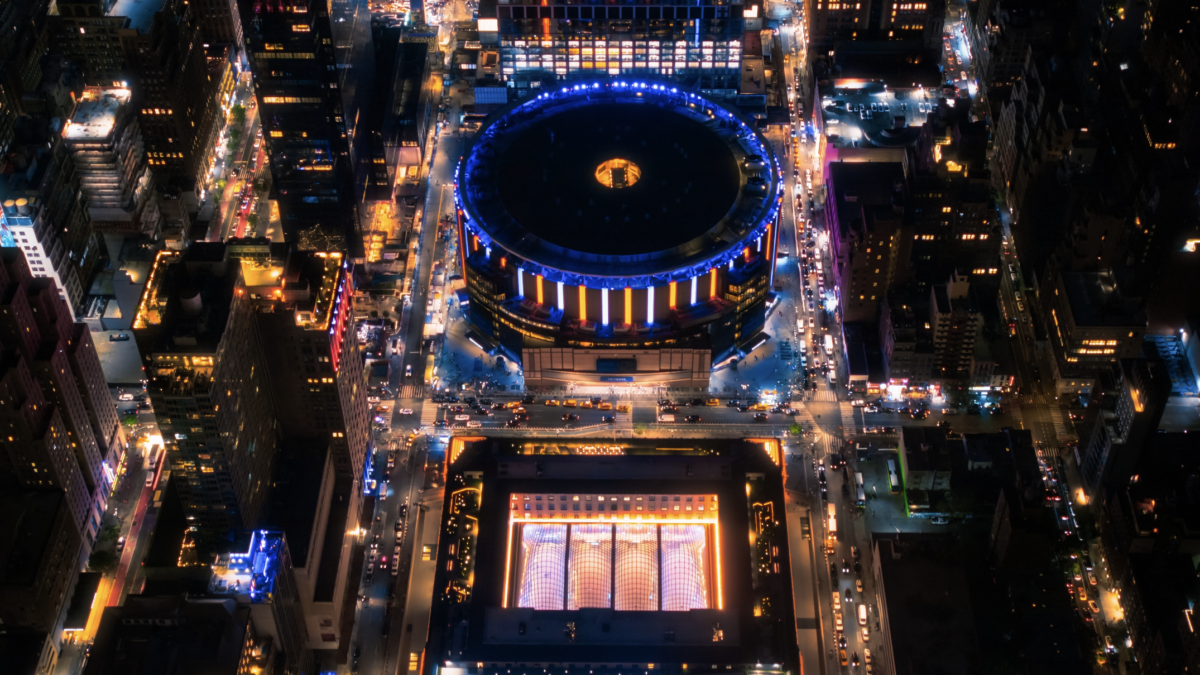
Former President Donald Trump has sparked a bold conversation about New York City’s infrastructure with his recent endorsement of relocating Madison Square Garden (MSG). In a post on Truth Social, Trump highlighted the dire state of Penn Station, calling it a “total disaster” and urging a complete rebuild by moving the iconic arena elsewhere. This idea taps into long-standing frustrations with one of the busiest transit hubs in the world, blending urban planning, real estate, and political intrigue.
Trump’s comments come amid ongoing debates about modernizing Penn Station, buried under MSG since 1968. As New Yorkers endure cramped platforms and outdated facilities, his proposal reignites hopes for transformation while challenging powerful stakeholders. Could this be the catalyst for real change in Gotham’s core?

The Troubled History of Penn Station and Madison Square Garden
Penn Station once stood as a Beaux-Arts masterpiece, demolished in 1963 to make way for MSG. This loss fueled the historic preservation movement in the U.S., but today, the station serves over 600,000 daily commuters in a labyrinth of decay.
Madison Square Garden, home to the Knicks, Rangers, and countless events, sits atop this mess. Its lease extends until at least 2023, but extensions and ownership by MSG Entertainment complicate any move.
Why Penn Station Needs a Makeover
The current setup features low ceilings, poor signage, and constant congestion. Commuters from Amtrak, LIRR, and subways jostle in a space designed for a bygone era.
- Overcrowding: Peak hours see platforms overflowing, raising safety concerns.
- Aging infrastructure: Leaky roofs and failing escalators plague users daily.
- Economic drag: Delays cost billions in lost productivity annually.
Plans like Governor Cuomo’s failed “Empire Station Complex” aimed to expand underground, but political shifts stalled progress. Enter Trump’s fresh take.
MSG’s Evolution and Economic Footprint
Relocating Madison Square Garden isn’t new—its third incarnation moved from its namesake square. Today, it generates $800 million yearly, drawing 20 million visitors.
Yet, critics argue its position hampers transit upgrades. A move could unlock prime Midtown real estate for a world-class station.
Breaking Down Trump’s Proposal
Trump didn’t mince words: “Penn Station should be totally rebuilt, and Madison Square Garden should be moved to a different location.” He praised the original station’s grandeur, envisioning a revival that boosts NYC’s prestige.
This aligns with his pro-development stance, reminiscent of his real estate days. Trump suggested sites like the Javits Center or Hudson Yards, freeing MSG’s spot for a station rivaling Europe’s best.
Potential New Homes for MSG
Speculation abounds on relocation spots:
- Hudson Yards: Ample space near new developments, easy access.
- Javits Center: Could merge convention and sports venues.
- West Side Yards: Rail yards offer buildable land without displacement.
Each option promises modern amenities like better sightlines and tech integrations, enhancing fan experiences.
Stakeholder Reactions: Support, Skepticism, and Pushback
MSG Entertainment CEO James Dolan swiftly rebuked the idea, calling it “tone-deaf” and defending the arena’s role. Dolan cites $1 billion in recent upgrades, arguing relocation disrupts operations.
City officials are mixed. MTA Chair Janno Lieber welcomes station improvements but notes funding hurdles. Governor Kathy Hochul prioritizes other projects like Gateway Tunnel.
Public and Expert Opinions
Urban planners applaud the vision. The Regional Plan Association has long advocated decking over rail yards for a new station. Commuters on social media echo Trump’s frustration, sharing viral videos of chaos.
- Proponents: Preservationists dream of recapturing lost glory; businesses eye tourism boosts.
- Opponents: Unions fear construction disruptions; Dolan warns of economic hits.
Polls show 70% of New Yorkers support rebuilding, per recent surveys, pressuring leaders to act.
Feasibility: Costs, Timelines, and Challenges
Moving Madison Square Garden could cost $5-10 billion, rivaling major stadium projects like SoFi in LA. Funding might blend public bonds, private investment, and federal grants via infrastructure bills.
Timeline: 5-10 years minimum, involving eminent domain, environmental reviews, and lawsuits. Legal battles over MSG’s lease could delay starts.
Overcoming Key Hurdles
Solutions include incentives for Dolan, like tax breaks or a state-of-the-art new venue. Public-private partnerships (P3s) have succeeded elsewhere, funding via future revenues.
- Traffic management: Phased construction minimizes disruptions.
- Tech innovations: AI crowd control and vertical expansions.
- Sustainability: Green designs align with NYC’s climate goals.
Potential Benefits: A Win for NYC?
A rebuilt Penn Station could transform Midtown. Imagine glass atriums, seamless transfers, and retail drawing global crowds—mirroring London’s King’s Cross revival.
Economically, it promises 50,000 jobs during construction and $20 billion in growth. Madison Square Garden in a new spot could host mega-events, elevating NYC’s sports scene.
Broader Impacts on Transit and Tourism
Integration with high-speed rail like Brightline could position NYC as a Northeast hub. Tourists gain iconic architecture, boosting hotels and dining.
For sports fans, a relocated MSG means luxury suites and better parking, competing with Barclays Center.
Conclusion: Will Trump’s Vision Materialize?
President Trump‘s push to relocate Madison Square Garden spotlights Penn Station‘s plight, urging action on a half-century neglect. While challenges loom—costs, politics, egos—the upside is immense: a reborn gateway elevating NYC’s global stature.
As debates heat up, stakeholders must collaborate. Whether through Trump’s blueprint or refined plans, change feels inevitable. New Yorkers deserve a station matching their ambition—watch this space for developments that could redefine the city.