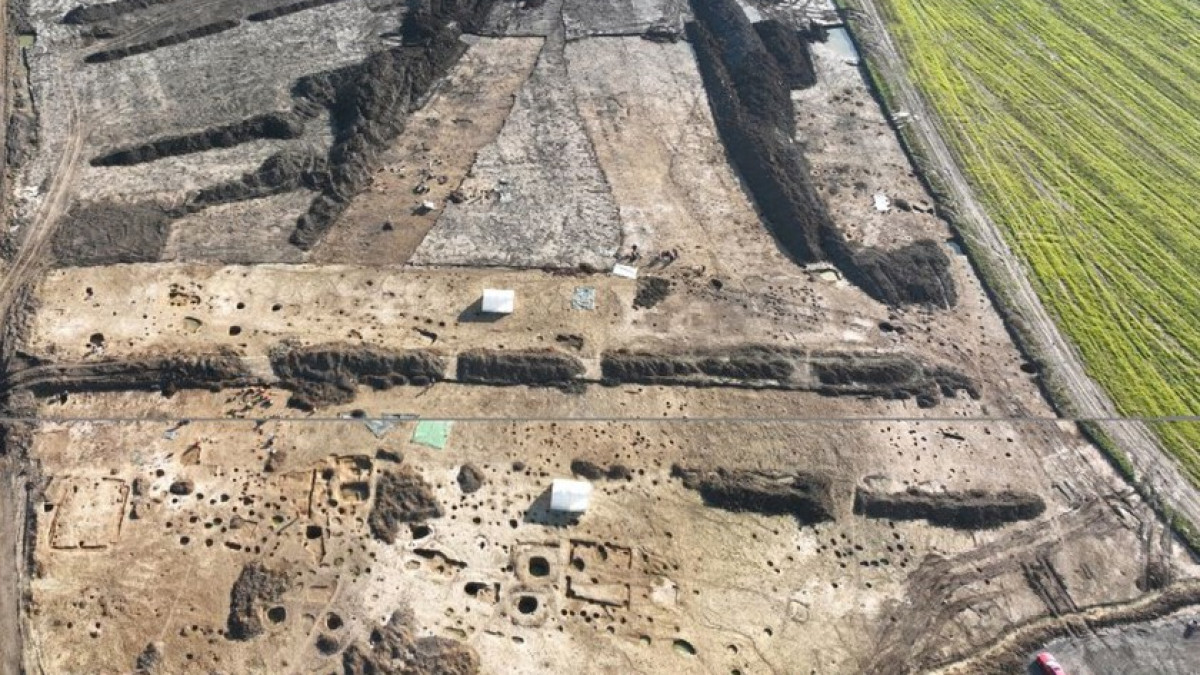
Picture this: routine surveys for a new highway in the Czech Republic suddenly halt everything as excavators uncover an untouched Celtic city over 2,000 years old, brimming with gold coins, exquisite jewelry, and ancient workshops. This real-life scenario unfolded during pre-construction checks for the D35 motorway in Bohemia, turning a infrastructure project into one of Europe’s most thrilling archaeological breakthroughs. What started as a delay became a portal to the vibrant pre-Roman Celtic world, revealing sophisticated trade networks that predated imperial conquests.
The site spans an impressive 25 hectares—roughly the size of several football fields—and stands as Bohemia’s largest Celtic settlement discovery. Teams from the East Bohemian Museum and the University of Hradec Králové unearthed over 22,000 artifacts, painting a vivid picture of a thriving Iron Age society from the 3rd to 1st centuries BCE.

The Unexpected Highway Discovery That Stopped Construction
Initial inspections along the D35 route, aimed at boosting connectivity across the Czech Republic, hit an archaeological jackpot. Instead of empty land, surveyors found traces of a La Tène culture settlement—renowned for its intricate metalwork and artistic flair. This open settlement lacked defensive walls, pointing to a bustling trade hub rather than a fortress.
Remarkably preserved, the site escaped modern farming damage and looters’ hands, a rarity in Europe. Artifacts lay densely in the topsoil layers, offering pristine insights into daily Celtic life. Such preventive archaeology before major builds like highways often yields game-changing finds, blending modern progress with historical preservation.
- Gold and silver coins: Hundreds discovered, alongside molds for local minting.
- Jewelry treasures: Brooches, bracelets, glass beads, and ornate metal belt fittings.
- Exotic imports: Baltic amber and luxury ceramics from distant regions.
- Production sites: Workshops, homes, and potential ritual spaces.
These finds confirm the settlement’s role as a dynamic economic center, processing and trading high-value goods.
Treasures from the Celtic Workshops: A Goldmine of Artifacts
Archaeologists uncovered hundreds of Celtic gold coins and silver pieces, complete with minting molds that suggest on-site currency production. This implies economic independence and local wealth generation, far from any central authority.
Jewelry stood out with its La Tène hallmarks—swirling motifs on brooches, armlets, and beads blending functionality with status symbols. Glass beads shimmered alongside amber imports, hinting at elite craftsmanship and long-distance exchange.
Workshops revealed advanced metalworking techniques, from smelting to finishing, alongside housing structures that suggest organized urban planning. Possible sanctuaries added a spiritual layer, with ritual items underscoring the Celts’ complex worldview.
Key Artifact Highlights
Over 22,000 items include tools, pottery, and organic remains primed for future DNA and isotope analysis. These will unlock secrets about diet, health, migrations, and environmental adaptation in ancient Bohemia.
- Local production: Specialized jewelry and metal forges using cutting-edge methods.
- Global trade links: Baltic amber, Mediterranean glass, Alpine metals.
- Daily life clues: House remnants showing early urban layouts.
The Amber Route: Uncovering Celtic Europe’s Trade Superhighway
This settlement emerges as a vital node on the legendary Amber Route, linking the Baltic Sea to the Mediterranean. Celts mastered overland transport of amber, precious metals, and luxuries, fostering a web of commerce without empires.
Expert Tomáš Mangel notes how the site’s context—undisturbed artifacts in original positions—reveals social structures: open, populous trading posts with elite workshops. It predates Roman roads, proving Celts drove continental connectivity.
The route didn’t just move goods; it spread ideas, technologies, and cultures across Europe, from Poland to Italy. Bohemia’s strategic position amplified this, making the D35 site a linchpin in rewriting pre-Christian trade history.
Unique Features Setting This Settlement Apart
At 25 hectares, it dwarfs many Bohemian sites, strategically placed for north-south flows. La Tène artistry shines in curvilinear designs on metals and glass, marking a stratified society where bling signaled power.
No fortifications mean trust in trade over war, contrasting fortified oppida in France or Switzerland. This peaceful commerce focus highlights Celtic innovation in economics and artisanship.
Preservation Miracle Explained
Avoiding plows and pillagers kept layers intact, with surface scatters yielding troves. This density provides unmatched data on 2,000-year-old routines, from feasting to forging.
Historical Implications for Pre-Roman Europe
The find reshapes views of ancient Europe: Celts built sophisticated networks before Rome’s legions. Local coin minting suggests proto-states with fiscal power, challenging old narratives of tribal disarray.
Ongoing studies on residues promise revelations about Celtic diets (grains, meats, imports) and health. Influences on neighbors like Germany and Poland emerge clearer, tracing Celtic migrations.
In today’s globalized world, it echoes how trade fueled growth sans military might. The D35 project now balances development with digs, modeling preventive archaeology worldwide.
The Enduring Celtic Legacy in Bohemia and Beyond
Celts indelibly shaped Central Europe, and this “jewel” elevates Bohemia’s profile. Local museums gear up for exhibits, sparking archaeological tourism and global research.
Compared to fortified sites, its commerce vibe and preservation make it exceptional. It spotlights a dynamic Europe where exchange, not empire, sparked progress.
Lessons abound: ancient routes prefigure modern supply chains. As we pave highways, we unearth their paths, linking eras.
In conclusion, the D35 “delay” birthed a window to Celtic mastery in trade, craft, and community. With gold, jewels, and workshops intact after millennia, it urges safeguarding heritage amid progress. Explore virtual tours or future displays to dive into this 2,000-year-old marvel—history alive under our feet.