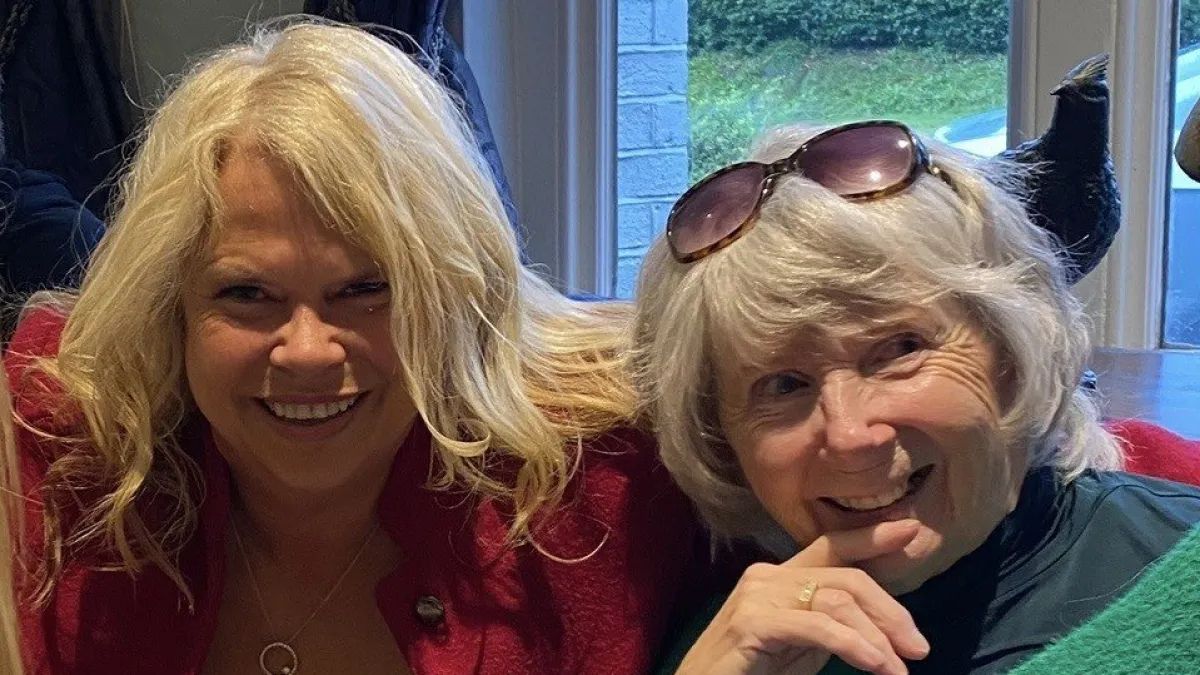
Picture this: you’ve hit 55, unlocked a hefty £420,000 pension pot, and envisioned endless days of freedom. For Raquel Griffiths from Wales, now 56, that vision shattered when her mother’s health crisis demanded immediate action. Dipping into savings for nearly £10,000 in care costs forced her back into part-time work, blending retirement dreams with family responsibilities.
This real-life tale exposes the hidden pitfalls of early retirement. Even robust financial plans can falter under caregiving pressures, prompting many to rethink their post-work life. Raquel’s experience offers valuable insights for anyone balancing pensions, family duties, and unexpected expenses.



Navigating Early Pension Access During a Family Emergency
Raquel’s story started with her 80-year-old mother’s sudden health decline. Urgent needs pushed her to consult a trusted financial advisor—her cousin—for guidance on her pensions, totaling around £420,000 excluding her civil service scheme.
She carefully assessed delaying retirement versus acting now. In the UK, private pensions become accessible at 55, a rule shifting to 57 by April 2028. This timing allowed her to prioritize precious family moments without delay.
Emotional and Strategic Decision-Making
The choice was heartfelt yet calculated. Withdrawing funds early provided liquidity for care while preserving long-term growth potential. It highlighted how personal crises often redefine retirement planning.
Raquel emphasized flexibility as key. Her approach ensured she could adapt as circumstances evolved, a reminder that rigid plans rarely survive real-world tests.
Streamlining Pensions Through Consolidation
To gain better control, Raquel merged her multiple pensions into one investment fund. This consolidation simplified tracking and decision-making amid chaos.
The fund showed impressive growth, safeguarding her future income. Importantly, it allowed full inheritance for her son—a feature not always available in standard pensions.
- Advantages of pension consolidation: Easier management, higher return potential, and secure legacy transfer.
- Potential downsides: Exposure to market ups and downs, though her fund’s performance mitigated this.
Experts often recommend this for those in transition. It empowers retirees to respond dynamically to life’s twists, like sudden caregiving roles.
Why Flexibility Matters in Uncertain Times
Consolidation turned a complex portfolio into a single, responsive asset. Raquel’s success underscores professional advice’s role in optimizing pension strategies.
For others eyeing early access, this step prevents fragmented oversight, ensuring funds stretch further.
The Hidden Financial Toll of Home-Based Elderly Care
Retirement lightened everyday bills—mortgage-free living covered council tax, utilities, and basics via pension draws. Yet, care costs exploded after her mother’s falls last summer.
Council delays in home adaptations left the family footing £9,000 for a vital stairlift from parents’ savings. Ongoing needs piled up fast, totaling nearly £10,000.
Breaking Down Everyday Care Expenses
Smaller items accumulated relentlessly, blindsiding the budget. These elderly care costs reveal how home care drains resources quietly.
- Specialized toilet seats and multiple walking frames for safety.
- Outdoor frames with seats at £100 each.
- Incontinence supplies costing £150-£200 monthly, beyond NHS provisions.
- Incidental spends: fuel, meals out (£10-£20 per trip), and laundry services.
Such outlays strain even substantial pensions. Planning for these “invisible” expenses is crucial for sustainable retirement.
Embracing Part-Time Work as a Retirement Lifeline
Full retirement proved unviable, so Raquel boosted her hospitality shifts at a concert venue. From one day a week pre-retirement, she now earns £600 monthly at minimum wage.
She calls it “fun money” for treats and care buffers. Free gigs and flexible hours complement hospital runs seamlessly.
Beyond Cash: Social and Practical Perks
Part-time roles fight isolation and keep skills sharp. Studies from Just Group show 40% of 45-75-year-old carers lose £522 monthly (£6,268 yearly) by cutting work.
Raquel’s model—pension plus gigs—offers balance. It sustains finances while enriching life during caregiving.
Tackling Benefits, Bureaucracy, and Systemic Gaps
Aid navigation frustrated the family. They discovered Attendance Allowance via a neighbor, not officials—a tax-free benefit for state pension age individuals (66+) needing care.
2025/26 rates include:
- Lower rate: £73.90 weekly for day or night help.
- Higher rate: £110.40 weekly for constant or terminal needs.
Frustrations with Delays and Support
Months waited for ramps and lifts amid council-NHS calls. These hurdles force private spending, amplifying carer burdens.
Raquel urges better access to funding and adaptations. Despite strains, she treasures mum’s day trips, validating her choices.
Essential Lessons for Early Retirees and Family Carers
Raquel’s journey teaches resilience. Diversify pensions, build buffers, scout benefits early, and embrace flexible income.
Early retirement demands adaptability, especially with family. Proactive consolidation protects nests, but care costs erode them quickly.
In wrapping up, Raquel’s £420,000 foundation held firm yet needed supplements. Returning to work showcases ingenuity, blending savvy finances with family focus. For those plotting retirement planning or aiding loved ones, her story stresses preparation. Proactive measures today secure tomorrow’s peace—share your tips in comments!