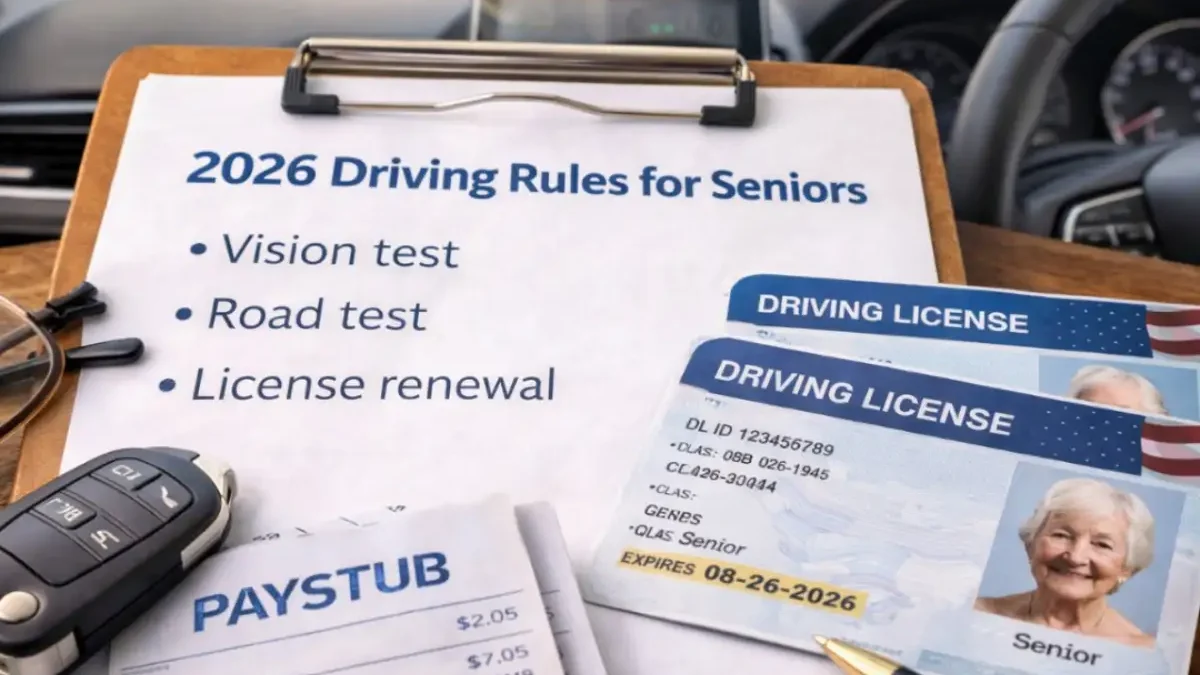
Beginning April 1, 2026, a groundbreaking update to U.S. driving policies will affect millions of seniors over 70. The U.S. Department of Transportation (DOT) is rolling out mandatory assessments to boost road safety without curtailing the vital independence many older Americans cherish. This forward-thinking measure targets age-specific risks head-on, promising safer highways for all.
These changes stem from a commitment to proactive safety. They balance the wealth of experience senior drivers bring with potential challenges like declining reflexes or vision. Stay ahead by understanding what’s coming and how to prepare effectively.



Why Updated Regulations for Senior Drivers Are Crucial
Over 48 million Americans aged 65 and older currently hold valid driver’s licenses. As this demographic grows, so does the presence of experienced yet potentially vulnerable drivers on U.S. roads.
Age can introduce subtle hurdles that impact driving performance. Federal statistics highlight elevated accident risks for those over 70 due to these factors.
- Diminished nighttime vision, making it harder to spot hazards in low light.
- Slower reaction times, delaying responses to sudden road events.
- Health conditions such as arthritis or cognitive shifts that subtly affect control.
These regulations intervene early with targeted checks. They promote accountability while respecting proven driving histories.
Breakdown of Key Changes in the 2026 Policy
The new framework mandates regular evaluations to confirm ongoing fitness for driving. This structured system keeps seniors sharp and roads secure.
Mandatory Vision Screenings
Annual or biennial vision tests will be required for drivers over 70. These focus on acuity, peripheral sight, and adaptation to darkness—critical for everyday safety.
Simple office-based or DMV-administered exams ensure quick compliance. Failing prompts corrective options like glasses updates before retesting.
Reaction Time Evaluations
Interactive simulations gauge response speeds to scenarios like pedestrians or braking vehicles. These brief assessments mimic real dangers without full road tests.
Results guide personalized advice, such as adjusting driving habits during peak hours.
Recommended Refresher Courses
While optional, these courses equip seniors with modern skills. They cover evolving traffic rules, defensive techniques, and tech like adaptive cruise control.
- Refresh knowledge of updated road signs and signals.
- Hone skills for avoiding collisions in heavy traffic.
- Master features in newer cars, from blind-spot monitors to emergency braking.
New Reporting Protocols
Doctors and relatives can flag concerns about a senior’s abilities. This triggers supportive reviews, not instant bans, fostering collaborative care.
The goal? Early intervention that often resolves issues through therapy or minor adjustments.
State-by-State Rollout Strategies
Federal guidelines set the baseline, but states tailor implementation for accessibility. This flexibility accommodates diverse populations and geographies.
- New York deploys mobile DMV units to senior living facilities and community centers.
- California, Florida, and Texas offer incentives, including fee waivers for training sessions.
- Many others pilot telehealth assessments for remote vision and cognitive checks.
Such innovations minimize travel burdens, especially for rural seniors. Check your state’s DMV site for specifics starting now.
Senior Views: Weighing Worries Against Empowerment
Feedback from seniors varies—some fear bureaucracy, others embrace the reassurance. Rural drivers cite access issues, but urban participants praise streamlined processes.
Successful evaluations frequently boost self-assurance. Families gain peace of mind knowing loved ones are vetted.
- Enhances driving confidence through validated skills.
- Allays family anxieties about unspoken risks.
- Affirms the right to mobility for capable individuals.
Critics push for shorter waits and digital tools. Overall, positives like renewed vigor outweigh initial hurdles.
Restricted Licenses as a Smart Compromise
Not every senior needs full privileges, and restricted licenses provide equitable alternatives. These tailor permissions to individual capacities.
- Daylight-only permits to sidestep night vision challenges.
- Geographic limits to familiar local routes.
- Requirements for vehicles with safety aids like automatic brakes.
Benefits extend beyond compliance:
- Sustains essential errands and social outings.
- Cuts crash probabilities through sensible boundaries.
- Offers customized paths forward, avoiding total loss of keys.
Growing Alternatives to Personal Vehicles
These rules spur investments in non-driving options. Seniors benefit from expanded, affordable mobility networks.
- Ride-sharing discounts via apps like Uber for Seniors.
- Subsidized public shuttles linking neighborhoods to stores.
- Community carpools organized through local senior centers.
- Tech-forward solutions like autonomous shuttles in trials.
This diversification eases transitions, blending independence with collective support.
Future Roadmap: Hurdles and Horizons
Rollout will test systems initially but pave the way for advancements. Preparation today smooths tomorrow’s path.
Immediate Obstacles to Navigate
- Potential DMV appointment backlogs from high demand.
- Strain on testing venues in populous areas.
Promising Long-Term Gains
- Online booking platforms for instant slots.
- Mobile units expanding nationwide coverage.
- AI-driven home kits for preliminary self-checks.
Sustained Priorities
Expect data-informed tweaks and rising safety stats. Senior mobility remains central, evolving with tech and needs.
Wrapping Up: Embrace Change for Safer Drives
The April 1, 2026 rules herald a nuanced era of road safety for seniors. Prioritizing competence over chronology, they safeguard independence alongside public protection.
Proactive steps—like scheduling eye exams or courses—position you for success. Consult your DMV, engage family, and drive on confidently. These changes aren’t barriers; they’re bridges to sustained freedom.