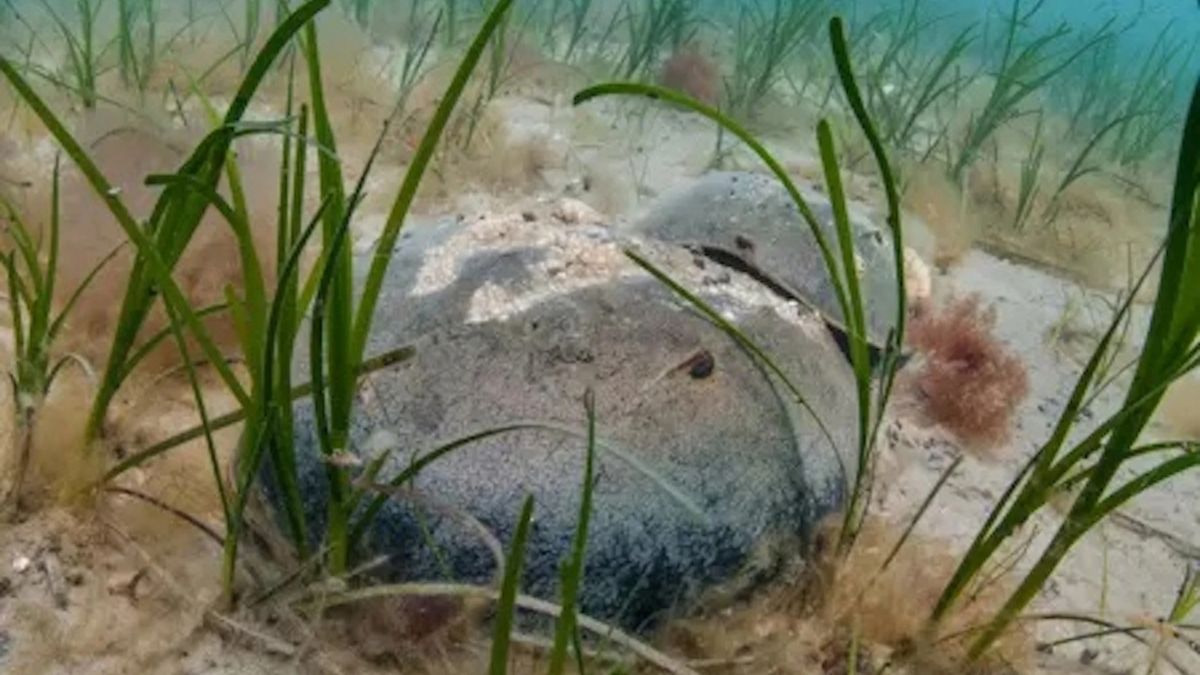
In the pristine shores of Cape Cod National Seashore, a remarkable conservation triumph is unfolding. Scientists and park officials have successfully brought back a species that’s endured for 445 million years—horseshoe crabs, often dubbed “living fossils.” This ancient creature, which outlasted multiple mass extinctions, had nearly vanished from a key lagoon due to human intervention, but targeted restoration efforts have turned the tide.
These resilient arthropods play a vital role in coastal ecosystems, serving as a crucial food source for migratory birds and indicators of environmental health. Their resurgence in East Harbor isn’t just a win for biodiversity—it’s a beacon of hope for broader national park conservation initiatives.

The Disappearance of Horseshoe Crabs in East Harbor
By the early 2000s, horseshoe crabs had all but disappeared from East Harbor, a serene salt marsh lagoon within the Massachusetts National Seashore. These ancient survivors, present long before dinosaurs roamed the Earth, faced an unexpected threat not from natural disasters, but from human engineering.
In 1868, a dike was constructed that severed the harbor’s connection to the ocean. This barrier drastically altered the salinity levels, disrupting the delicate balance the crabs’ lifecycle depended on. Without the influx of seawater, the habitat became unsuitable, leading to a sharp population decline.
Understanding the Ecological Impact
The loss rippled through the food web. Horseshoe crab eggs are a primary sustenance for shorebirds during migration, and their absence stressed these avian populations. Shellfish and salt marsh vegetation also suffered, turning a once-thriving ecosystem into a shadow of its former self.
- Reduced salinity harmed breeding grounds.
- Migratory birds lost a key food source.
- Overall biodiversity plummeted.
This scenario highlights how even well-intentioned infrastructure can have long-lasting consequences on ancient species like these living fossils.
Restoration Efforts: Breaching the Dike in 2008
Hope emerged in 2008 when local authorities and the National Park Service took decisive action. They allowed seawater to flow back into East Harbor, mimicking natural tidal cycles and restoring the essential salty conditions.
The transformation wasn’t immediate, but it was profound. Within years, salt marsh plants flourished, shellfish populations rebounded, and eventually, horseshoe crabs returned in droves. Today, thousands breed there annually, with many individuals hatched over a decade ago proving the site’s viability as a permanent habitat.
Key Steps in the Revival Process
The project’s success stemmed from collaborative science and policy. Experts monitored water quality, salinity, and wildlife returns meticulously.
- Removed barriers to tidal flow.
- Planted native salt marsh species.
- Conducted ongoing population surveys.
- Involved community stakeholders for support.
Sophia Fox, an aquatic ecologist at Cape Cod National Seashore, calls it “our happy story.” This effort demonstrates that reversing habitat degradation can yield sustainable results for horseshoe crabs and beyond.
Broader Implications for Coastal Ecosystems
The return of these 445-million-year-old creatures signals a healthier coastal system. Healthier marshes now buffer against storms, support commercial fisheries, and enhance shoreline resilience—critical in an era of rising sea levels and intensifying weather events.
Horseshoe crabs aren’t just survivors; they’re ecosystem engineers. Their eggs nourish birds like red knots, whose populations have faced global declines. A thriving crab population here bolsters the entire Cape Cod National Seashore food chain.
Global Parallels in Conservation Wins
This isn’t an isolated victory. Similar triumphs include sei whales rebounding off Argentina’s coast and Irrawaddy dolphins increasing in Cambodia. Each case underscores that focused, science-backed protection can revive even the most vulnerable species.
- Targeted habitat restoration works wonders.
- Community involvement accelerates success.
- Monitoring ensures long-term viability.
For residents and visitors, the benefits are palpable. Social media buzzes with videos of spawning crabs on beaches, with one user noting, “People move here for moments like this.” Another shared joy in rescuing a stranded crab, watching it navigate back to the sea.
Why Horseshoe Crabs Matter Today
Beyond ecology, horseshoe crabs hold modern significance. Their unique blue blood is harvested for biomedical testing, detecting bacterial contaminants in vaccines and medical devices. Sustainable populations ensure this resource endures.
In Cape Cod, the restoration fosters eco-tourism, drawing nature enthusiasts to witness these ancient rituals. It also educates on conservation, inspiring visitors to protect fragile coastlines.
Challenges persist—pollution, climate change, and overharvesting loom large. Yet, East Harbor‘s story proves proactive measures pay off. The National Park Service continues monitoring, adapting strategies to safeguard this living fossil.
Celebrating a Quiet Conservation Victory
Progress in conservation often unfolds subtly, without fanfare. In Cape Cod National Seashore, it’s the sight of thousands of horseshoe crabs crawling ashore under full moons, laying eggs that will hatch future generations.
This revival reaffirms our capacity to heal what we’ve harmed. By restoring tidal flows and habitats, we’ve given a 445-million-year-old species a fighting chance. It invites us all to support parks, reduce coastal impacts, and cherish these “moments like this” that define wild places.
As Sophia Fox’s “happy story” spreads, it motivates global efforts. Whether buffering storms or feeding birds, a resilient East Harbor enriches lives and landscapes. Let’s build on this success, ensuring horseshoe crabs thrive for millennia more.